Tasting Terre Alte: Foraging Piedmont's Uncharted Autumn Truffles
Through the morning mists of Alba, uncovering the fragile symbiosis between ancient oak roots, trained hounds, and culinary heritage.
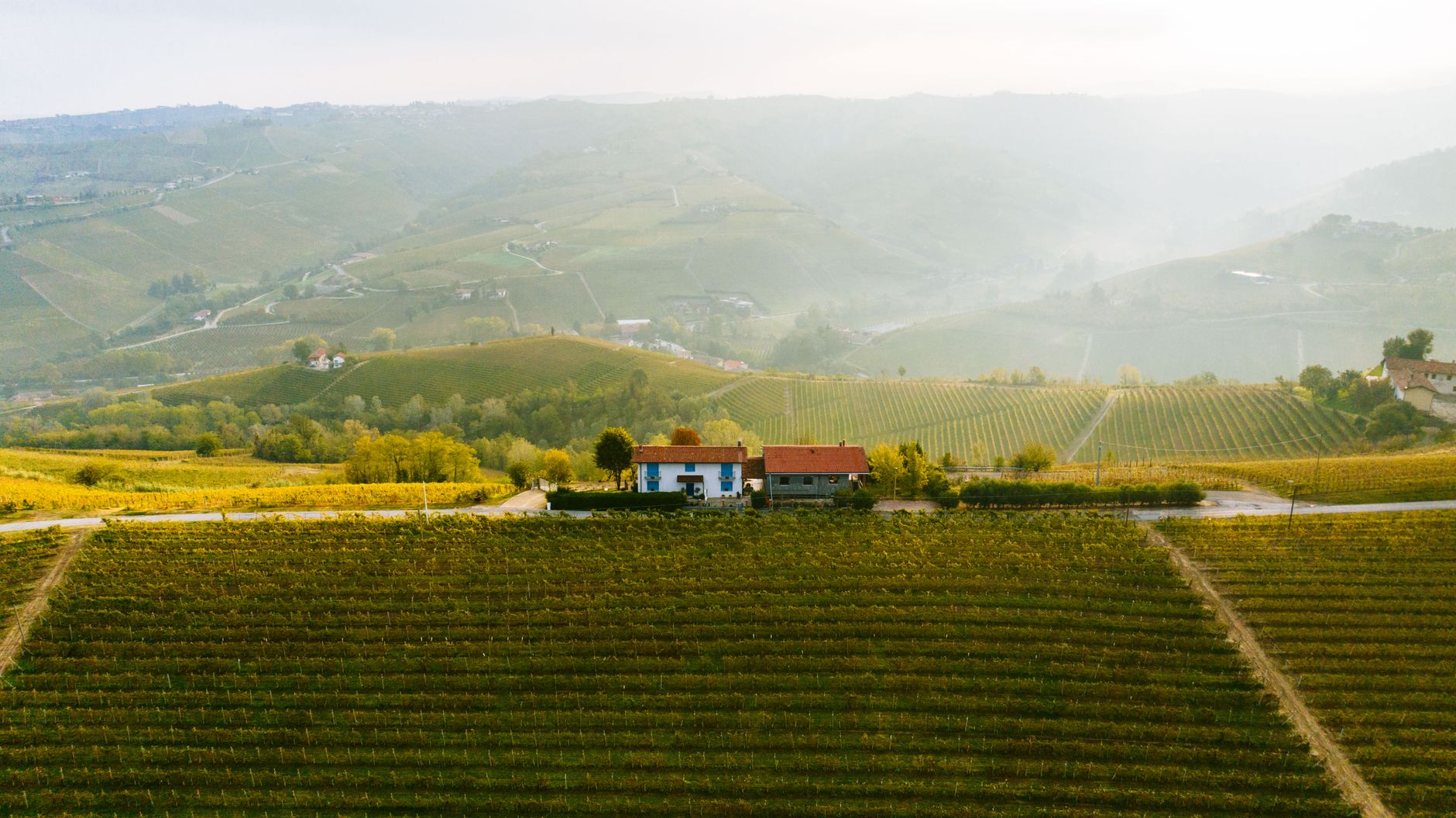
At half-past five in the morning, the valleys of the Langhe region disappear beneath a sea of white vapor known locally as la masca. Only the crenelated watchtowers of Serralunga and Castiglione Falletto emerge like islands in an ethereal grey sea.
I. The Fog of Langhe
This microclimate is the lifeblood of Piedmont's agricultural supremacy. The combination of limestone-rich marine soils and sharp autumn temperature differentials fosters an underground ecosystem unmatched anywhere on the European continent. Our host, Matteo, a seventy-year-old trifolao, adjusts his tweed cap and whispers commands in tight Piedmontese dialect.
II. The Canine Bond
Unlike commercial operations that use swine, true artisan foragers work with mixed-breed dogs, specifically trained from puppyhood to detect the subtle sulfur-gaseous signatures emitted by Tuber magnatum pico—the revered white truffle of Alba.
Watching Matteo's hound, Luna, work through a grove of ancient poplars and linden trees is a lesson in patience. Suddenly she freezes, paws precisely at the damp loam, and steps back as Matteo kneels with his specialized miniature spade—the vanghetto. Within minutes, a pale golden bulb of subterranean treasure is liberated, releasing a fragrance of musk, damp forest floor, and wild garlic.
III. Terroir & Wood Aging
In the afternoon, we descend into cellars cut directly into blue Tortonian marl in Barolo. Here, Nebbiolo grapes undergo extended maceration in mammoth Slavonian oak casks. There is no haste, no electronic intervention—simply decades of seasonal barometric pressure shifts coaxing tannins into velvet elegance.
IV. The Simple Table
Gastronomic pretension has no foothold in these agrarian hills. Dinner is served on coarse linen: hand-cut tajarin noodles prepared with forty egg yolks per kilo of flour, tossed with churned Alpine butter, and showered in sheer flakes of fresh white truffle. Accompanied by a glass of ruby-hued Barbaresco, the dish embodies genuine luxury: ingredients gathered within three miles, untouched by industrial synthesis.
Field Note from the Desk
The White Truffle season spans from early October through mid-December. Advance planning is vital, as family-run farmhouses typically accommodate fewer than six guests per night.
Request Agrarian Contact Guide →