The Arctic Silence: Traversing Norway's Untamed Lofoten Enclaves
An inquiry into stillness, red ochre fishing cottages, and the crystalline light of the northern maritime fringe.
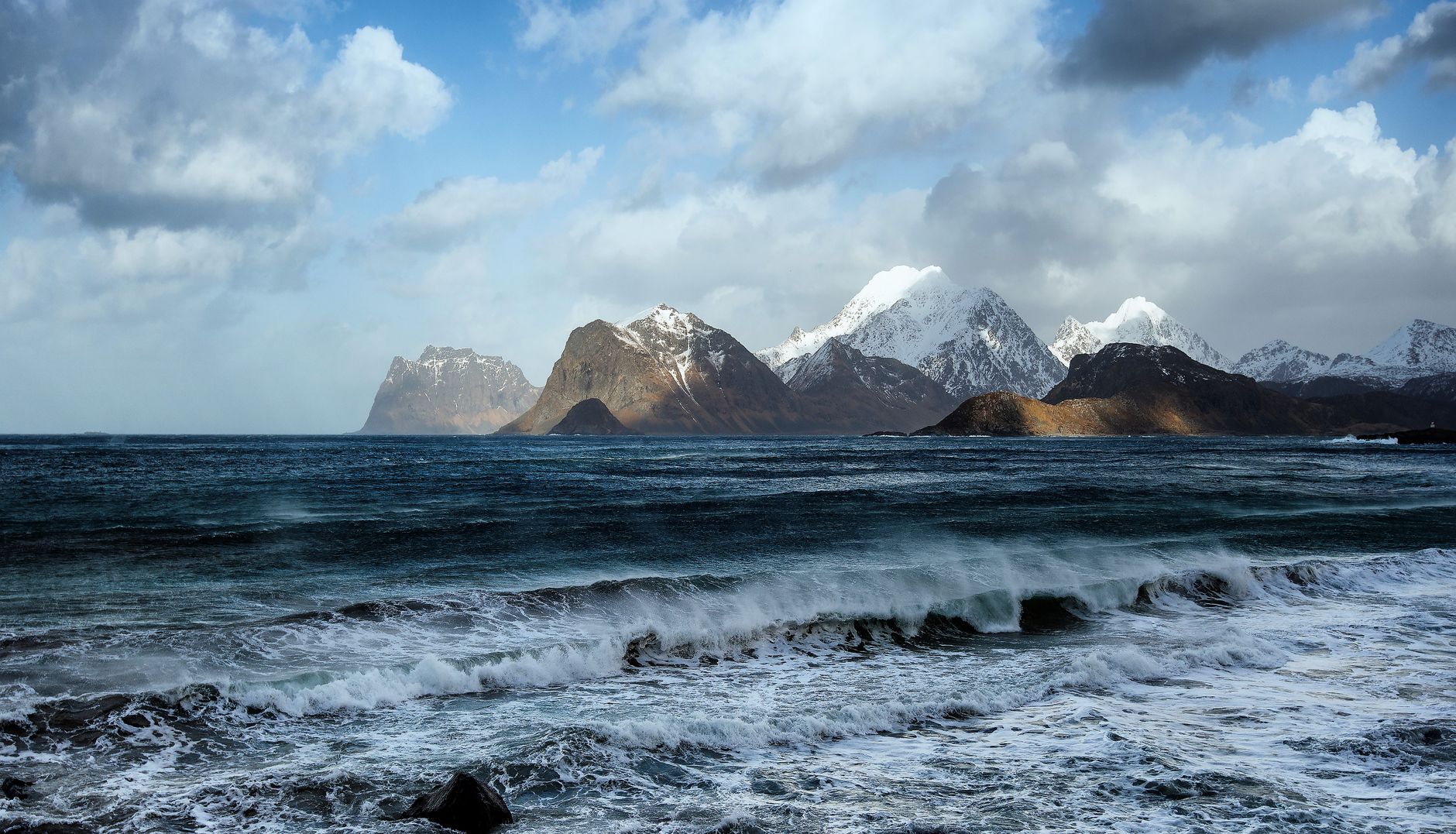
The ferry crossing from Bodø across the Vestfjorden is characterized by an abrupt transformation of scale. What begins as a low, mist-shrouded horizon suddenly surges upward into the towering volcanic palisade known historically as the Lofotveggen—the Lofoten Wall.
I. The Granite Barrier
Here, geography dictates human tempo. For twelve hundred years, cod fisheries have drawn hearty sailors into these frigid straits. Yet when one ventures past the designated tourist hubs of Å and Reine during late autumn, the overwhelming presence is not commerce, but a deep, resonant stillness punctuated only by arctic terns and the rhythmic slap of swells against granite pylons.
“In the far north, light is not merely illumination; it is a precious physical substance that coats stone and water in copper tones before retreating into twilight.”
II. The Red Rorbu
The vernacular cabin—the rorbu—was engineered out of necessity. Built on stilts driven directly into coastal bedrock, these timber dwellings were originally colored with a mixture of cod liver oil and iron oxide pigments, creating the iconic rusty terracotta tone that withstands saline gales.
In our curated residence at Hamnøy, minimal pine interiors host wood-burning iron stoves. Without televisions or intrusive street illumination, evening rituals return to their foundational state: slicing sourdough bread, preparing smoked trout, and reading by lamplight while northern winds buff the cedar shingles.
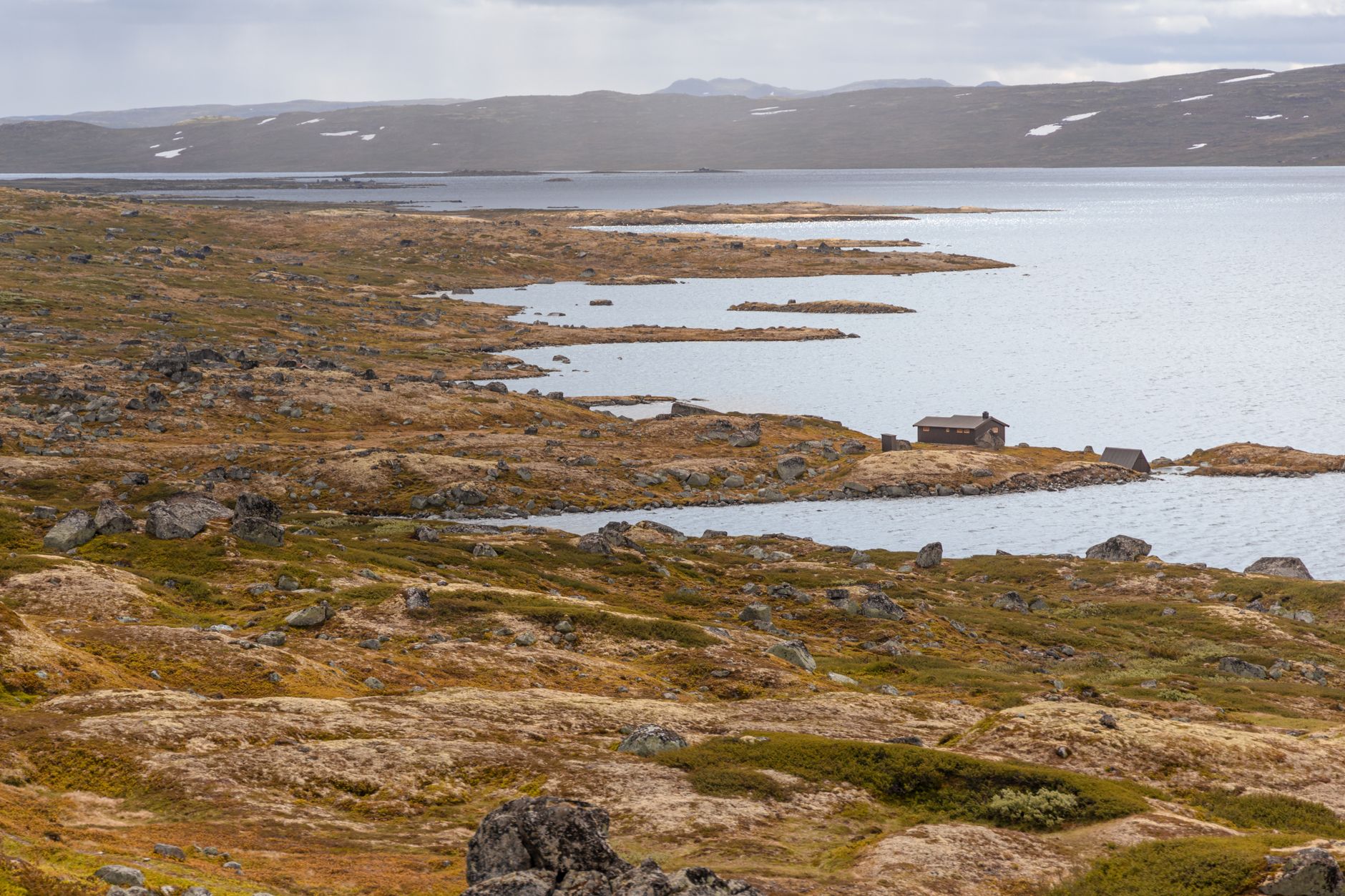
III. Dawn at Reinefjorden
Waking at 06:00 beneath heavy wool blankets reveals a fjord mirrored in absolute stillness. Kayaking through these narrow sea channels requires no rapid exertion; one glides between vertical mountain faces rising one thousand meters straight from the tide. The silence here is dense, tactile, and restorative.
IV. Arctic Travel Ethics
Visiting sensitive subpolar ecologies requires strict environmental discipline. We urge readers to observe three steadfast rules when journeying north:
- Stick to marked stone pathways: Tundra moss requires decades to regenerate once trodden upon.
- Support indigenous fishers: Purchase directly from coastal drying sheds rather than multinational supermarket chains in coastal towns.
- Limit artificial light: Dark-sky preservation is critical for migratory fowl and arctic nocturnal species.
Editorial Postscript
This field dispatch was produced during a 14-day residency in Nordland. 111111 accepts no corporate patronage. To receive complete topographical coordinates and cabin reservation notes, consult our expeditions directory.
View Northern Itineraries →